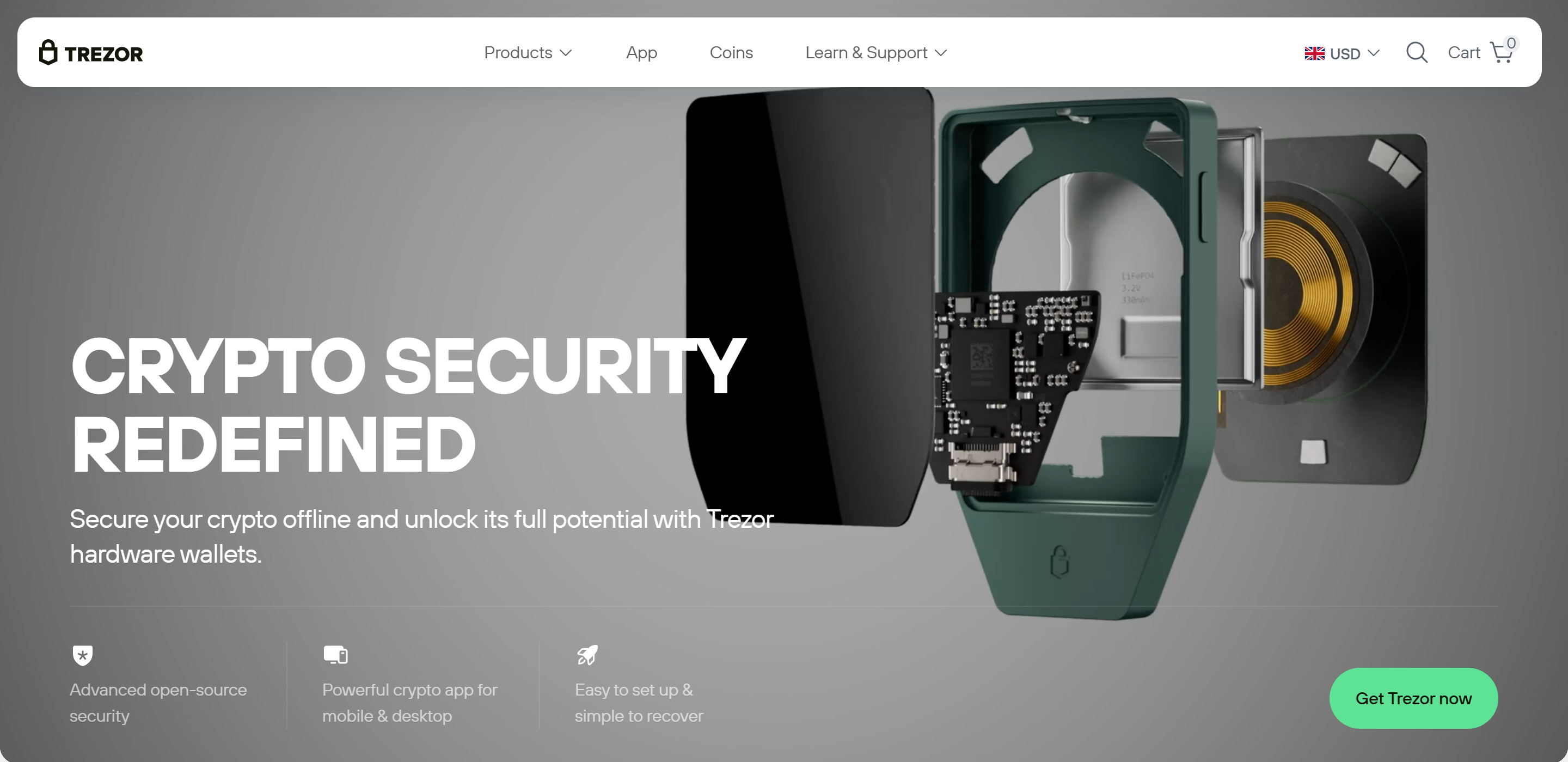
Setting up a hardware wallet is an important first step, but maintaining an organized setup can be just as useful over time. As you add accounts, receive cryptocurrency, and complete transactions, a clear routine can make your wallet easier to understand. Trezor.io/start can serve as a helpful reference for users who want to review the basics of starting and managing a Trezor hardware wallet.
Begin With a Clear Setup
A good wallet routine starts with understanding the components you use. Become familiar with your Trezor device, the wallet interface, your accounts, and the process for confirming actions.
Keep the setup as simple as possible. You do not need a complicated system to manage cryptocurrency effectively. Knowing where each part of your wallet workflow fits can make future sessions easier.
Use a Trusted Computer
Whenever you manage your wallet, use a computer you recognize and trust. Keep the operating system updated and avoid installing unknown applications or extensions.
Be careful with unexpected links that claim to provide wallet software or urgent security updates. When you need setup information, start from a trusted official source.
Keep Your Accounts Understandable
As your cryptocurrency activity grows, you may create additional accounts. Review your account list periodically and make sure you understand the purpose of each account.
Clear account names can help you select the correct account before a transaction. Avoid creating unnecessary accounts simply because the option is available.
An organized account structure makes everyday navigation simpler.
Review Your Assets Regularly
Take time to understand which cryptocurrencies are associated with your accounts. If you manage several assets, pay attention to the exact asset name and network.
Before sending or receiving funds, confirm that the asset and network match the intended transaction. Never assume that two similarly named assets can automatically use the same network.
Keep Receiving Information Current
When receiving cryptocurrency, generate the address from the account you intend to use.
Review the address carefully and, when supported, confirm it on your Trezor device. This can provide an additional verification step before sharing the address with another person or service.
Only share public information needed for the transfer.
Review Your Transaction History
Transaction history can help you understand how your accounts have been used. Periodically reviewing recent activity can make it easier to recognize completed transfers and identify anything that requires further investigation.
If you keep personal notes about transactions, avoid including sensitive information such as recovery seeds, private keys, or PINs.
Create a Consistent Sending Routine
Before sending cryptocurrency, follow the same basic process each time.
Select the correct account, confirm the asset and network, enter the destination address and amount, and review the transaction details carefully.
Then check the information shown on your Trezor hardware wallet before approving the transaction.
Consistency can be especially helpful when you manage several accounts.
Protect Your Recovery Seed
Keeping your setup organized does not mean storing every piece of information digitally. Your recovery seed should remain private and protected according to the manufacturer's recommendations.
Never enter it into an online form or provide it to someone claiming to offer wallet support.
A person who asks for your recovery seed should be treated with extreme caution.
Review Changes to Your Setup
Your wallet environment may change as time passes. You might use a different computer, install an updated wallet application, add an account, or return to your wallet after a long period.
Whenever something changes, pause and review the setup before performing an important transaction.
This simple habit can help you stay familiar with your wallet environment.
Build a Simple Maintenance Checklist
A practical maintenance checklist could include:
- Confirming your trusted computer
- Checking your Trezor device
- Reviewing active accounts
- Confirming assets and networks
- Verifying receiving information
- Reviewing recent transactions
- Checking outgoing transaction details
- Keeping your recovery seed private
The checklist can be adjusted to match your personal wallet routine.
Use Trezor.io/start as a Reference
When you need to refresh your understanding of the initial setup or basic wallet workflow, Trezor.io/start can be a useful starting point.
Trusted documentation is generally a better reference than random instructions from unknown websites, especially when dealing with wallet security and sensitive transactions.
Final Thoughts
A hardware wallet setup does not have to become complicated as your cryptocurrency activity grows. Regular account reviews, accurate asset and network selection, careful address verification, and consistent transaction checks can keep the workflow manageable.
By maintaining a clear routine and returning to Trezor.io/start when you need to review the fundamentals, you can keep your Trezor wallet setup organized and easier to manage over time.